Evaluation of the current status of hides and skins value chain in Tanzania leather sector
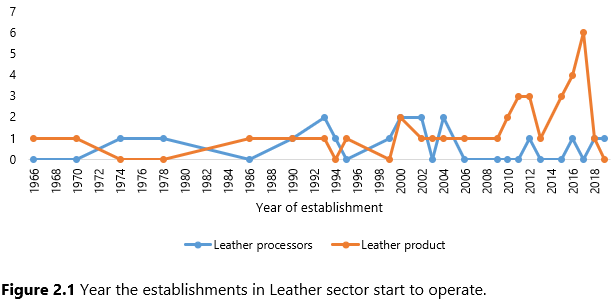
The study involved a brief evaluation of the existing leather processing and leather products-making industries’ current status. The work was divided into four phases: desk review to relevant literature; fieldwork in seven (7) regions of Tanzania, which took place from 27th October to 9th November 2020; focus group discussion, held on 17th November 2020; and […]
Enhancing Tanzania’s Competitiveness in the Logistics Value Chain
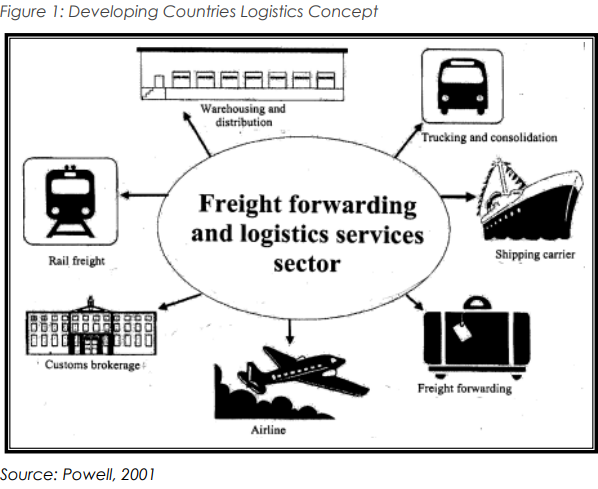
The freight logistics sector of Tanzania faces capacity-related challenges, which undermine its efficiency and lead to poor services, delays, compliance challenges, and low competitiveness, among others. The negative impact is felt nationally and in countries across the region that use the Tanzania transport logistics corridors. While benchmark figures exist on the regulatory aspects of the […]
Enhancing Tanzania’s competitiveness and export diversification in horticulture
This report assesses ways of improving the competitiveness and diversification of the horticulture value chain in Tanzania by mainly focusing on the Northern Export Corridor.Using a value chain approach, a detailed review of the performance and competitiveness potential of the selected export-oriented agricultural subsectors was undertaken. A case study approach was adopted to provide fresh […]
Enhancing Tanzania’s competitiveness and export diversification in seaweed
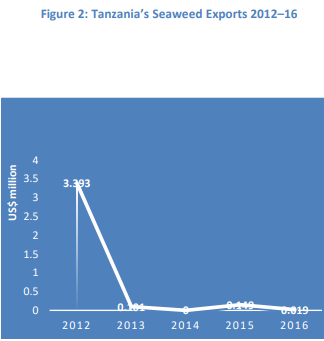
Using a case study and value chain analysis approach, this report examines agricultural competitiveness and export diversification in context of the seaweed sub sector, adopting Zanzibar as a case study area.Value chain analyses undertaken by the programme identified various success factors and initiatives that could be replicated in order to enhance competitiveness across the different […]
Institutional and Operational Bottlenecks in the Rice Value Chain and Export in Tanzania

The second most important staple food and a commercial crop in Tanzania, improving the production and trade of rice can substantially contribute to agricultural growth and rural welfare. Based on this rationale, the government of Tanzania designed two national rice development strategies in 2009 and 2019, aiming to double production through commercialization and introduce Tanzanian […]
Trade and Welfare Effects of EU–EAC Economic Partnership

Tanzania is at a crossroad, either to sign or not to sign the EU–ECA economic partnership agreement (EPA) deal. Fear of the unknown (potential losses) and uncertain benefits continue to delay the signing, ratification, and implementation of trade and investment agreements in many countries, hampering meaningful regional and global integration. Applying a suitably calibrated and […]
Diversification and Intra-Industry Trade Effects of East African Community: The Case of Tanzania
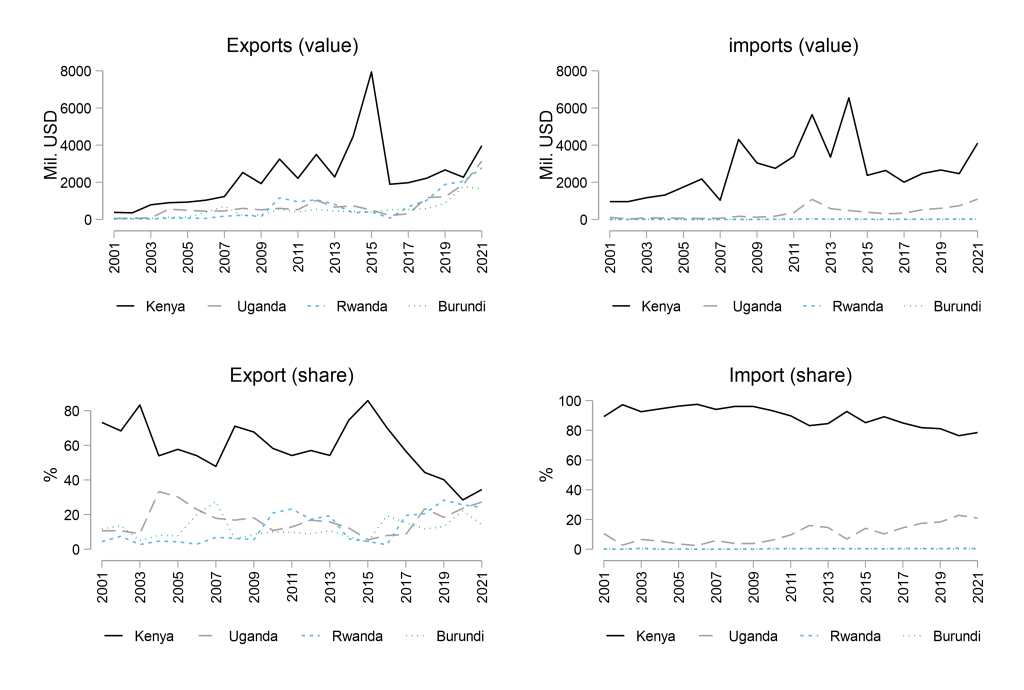
By expanding market size and lower trade costs, regional integration can enhance export diversification and competitiveness, that are important drivers of economic growth. Using disaggregated trade statistics at 6 HS code digits and applying Grubel-Lloyd Index (GLI), this study examines whether Tanzania’s pattern of trade structure with its trading partners’ in the EAC markets has […]
Estimating effects of the AfCFTA in Tanzania: Application of Poisson Pseudo Maximum Likelihood
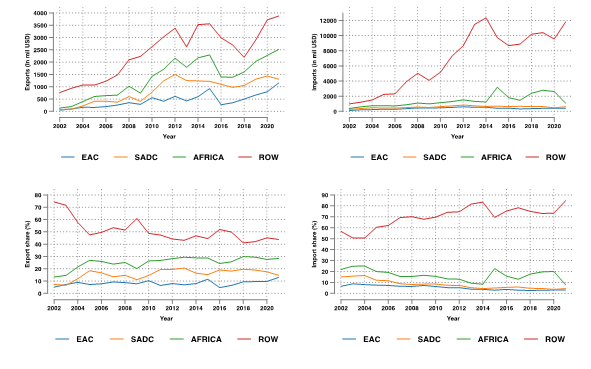
Using bilateral trade data for 157 countries and applying a General Equilibrium Poisson Pseudo Maximum Likelihood (GEPPML) model, we estimate the effects of the African Continental Free Trade Agreement (AfCFTA) on Tanzania’s trade/exports and welfare. The baseline estimates on the international border suggest that all else equal, the international border decreases trade by 97 percent. […]
World Trade Organisation members’ compliance with article XXIV of the General Agreement on Tariffs and Trade: The case of Tanzania
WTO provides the bedrock of international trade law. Thus, it supports open and predictable trade. Regional trade arrangements have become an accepted channel for trade development, consequently, they are recognised by WTO under article XXIV of GATT and the Enabling Clause. Most RIs are brought about by regional trade arrangements. The most common forms of […]
Public debt and private sector financing in Tanzania
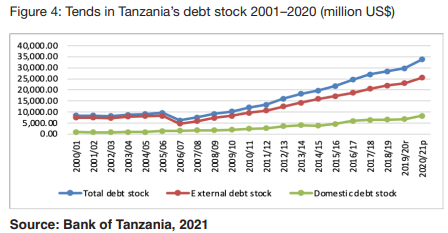
Public debt is an important macroeconomic policy area of interest for governments, researchers and academia. This study investigates its impact on private sector financing in Tanzania. Firstly, it discusses the evolution of public debt since independence, focusing on the legal and policy framework for its management and the debt relief strategies adopted. Secondly, it looks […]
Role of innovation and technology upgrading on industrial and export competitiveness in Tanzania

This study aimed to examine the role of innovation and technology upgrading (ITU) in the competitiveness of Tanzania’s industrial and export sectors. To achieve this objective, the study was structured as three complementary components. The first component focused on assessing the current status and trends in the technology and innovation profile through a situational analysis. […]
Public Expenditure Review of the Health Sector (2015–2018) – Primary Health Care

This report, among others, provides a review beyond the conventional health sector public expenditure reviews by: It is envisaged that the analysis and insights from this report will inform future policy formulation, planning and budgeting in the health sector. Read the full report below…
Business Climate Survey of Nordic Countries, 2022-23

The 2022-23 Business Climate Survey for Nordic Companies in Tanzania is a joint initiative of the Embassies of Denmark, Finland, Norway, Sweden and REPOA. The survey is based on a mixed methods assessment of firms drawn from a non-probability sample of 99 firms operating in Tanzania mainland and Zanzibar. The survey was carried out between […]
Concerns over sovereignty of development finance: Tanzanians want local solutions and local control
On this Policy Brief, the findings as picked from the Afrobarometer Survey Round 8 reveal that Tanzanians value more independent pursuit of development than conditional foreign financing. REPOA is Tanzania’s Afrobarometer country partner. The following are the key policy recommendations: Please read the full details of this Afrobarometer survey related brief just below…
A better budget process in Tanzania: A strategy for Public Financial Management & Accountability
This policy brief examines the political economy in which informal power, political structures, and incentives influence public financial management and accountability (PFMA) reforms, the budget process, and public expenditure in Tanzania. A number of challenges face the current traditional revenue collection process in Tanzania and to underscore opportunities that can enhance revenue collection. Among the […]
The monetary cost of complying with employment regulations: The experience from the hotel industry
This Policy Brief highlights the associated monetary cost of complying with employment regulations: The experience from the hotel industry in Tanzania. As stated by the International Finance Corporation (IFC) and World Bank (2012), if compliance costs are high in a country, policymakers need to know which regulatory regimes cause most of the burden to businesses […]