Factors Influencing Women’s Ability to Control their Income: The Case of Tanzania
There are conflicting research findings on women’s empowerment because of different methods and populations. Some scholars discovered that over time women’s income control has increased, while others have not found any increase. To shed more light on the phenomenon, this research examines the extent and predictors of women’s independence on making spending decisions whilst living […]
Building productive capacities in Tanzania – opportunities and constraints in the coffee sub-sector

This policy brief provides a framework of analysis on building productive capacities in Tanzania – regarding opportunities and constraints in the coffee sub-sector. This brief seeks to inform policy analysts, private sector practitioners, and decision makers in public institutions responsible for promoting economic growth; agriculture and cooperative development; investments, trade, and industrial development; private sector […]
Harnessing the global opportunities for enhancing productive capacities in Tanzania
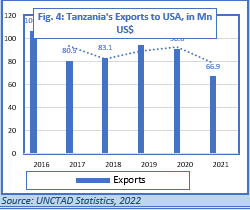
This policy brief provides a framework of analysis regarding harnessing the global opportunities for enhancing productive capacities in Tanzania. It seeks to inform policy analysts, private sector practitioners, and decision makers in public institutions responsible for promoting economic growth, industrial development, investments, trade expansion, and private sector development. It is the ability these actors to […]
Harnessing the continental opportunities for enhancing productive capacities in Tanzania
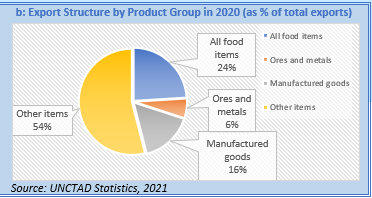
This policy brief provides a framework of analysis regarding harnessing the continental opportunities for enhancing productive capacities in Tanzania. It seeks to inform policy analysts, private sector practitioners, and decision makers in public institutions responsible for promoting economic growth, industrial development, investments, trade expansion, and private sector development. It is the ability these actors to […]
Participation in regional and global value chains can enhance productive capacity for industrial and trade expansion
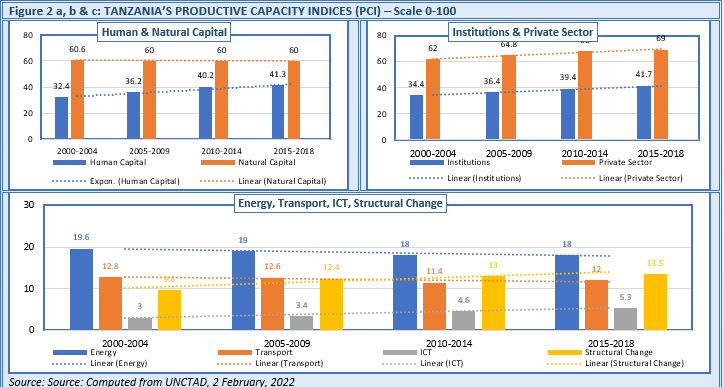
This policy brief provides a framework of analysis regarding the participation in regional and global value chains to enhance productive capacity for industrial and trade expansion. It seeks to inform policy analysts, private sector practitioners, and decision makers in public institutions responsible for promoting economic growth, industrial development, investments, trade expansion, and private sector development. […]
Research Programme on Structural Transformation & Development Trajectory in Tanzania 2024-28
Structural transformation is the process of transition of an economy from low productivity and labour-intensive activities or sectors into higher productivity and capital or skill intensive activities or sectors. Literature has shown productivity in the modern sectors, typically manufacturing and services, to be the driving force for transformation with productivity differences often associated with the […]
Drivers of productive capacity for industrial and trade expansion in Tanzania
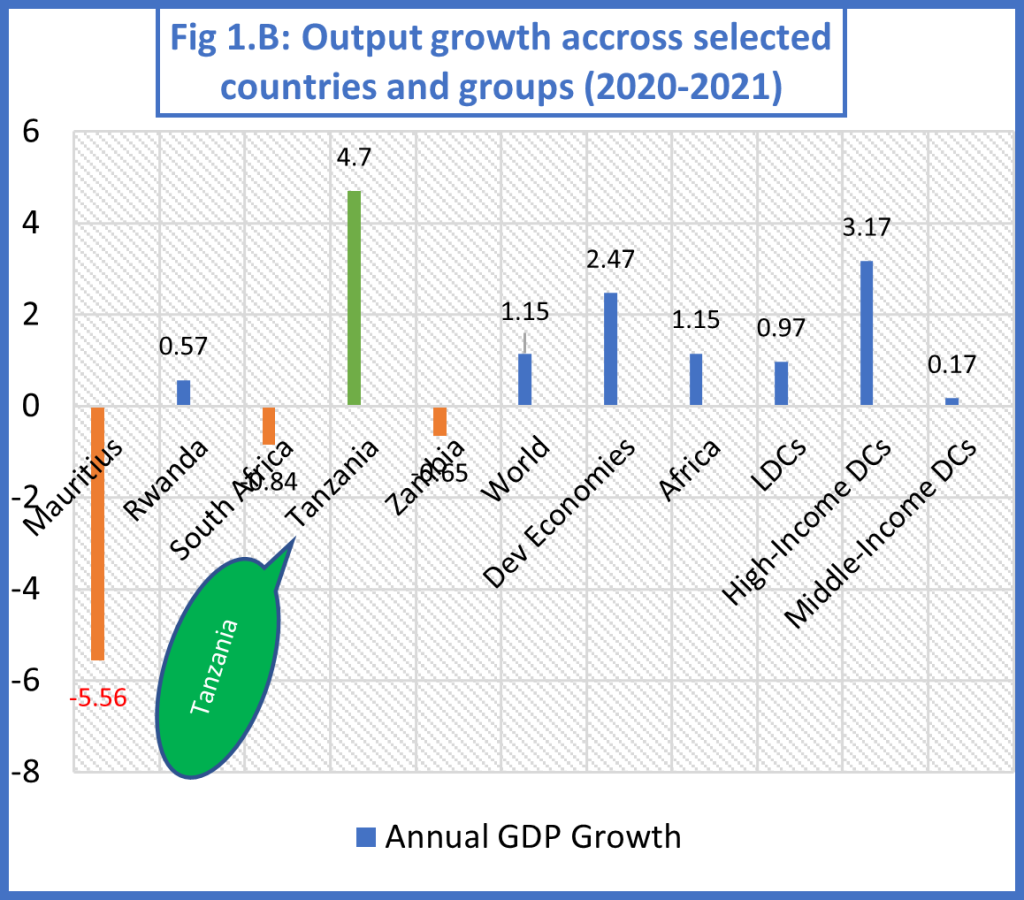
This policy brief provides a framework of analysis seeking to inform policy analysts, private sector practitioners, and decision makers in public institutions responsible for promoting economic growth, industrial development, investments, trade expansion, and private sector development. It is the ability these actors to address the various constraints to productivity growth that Tanzania can sustain its […]
Social security among platform workers in Tanzania
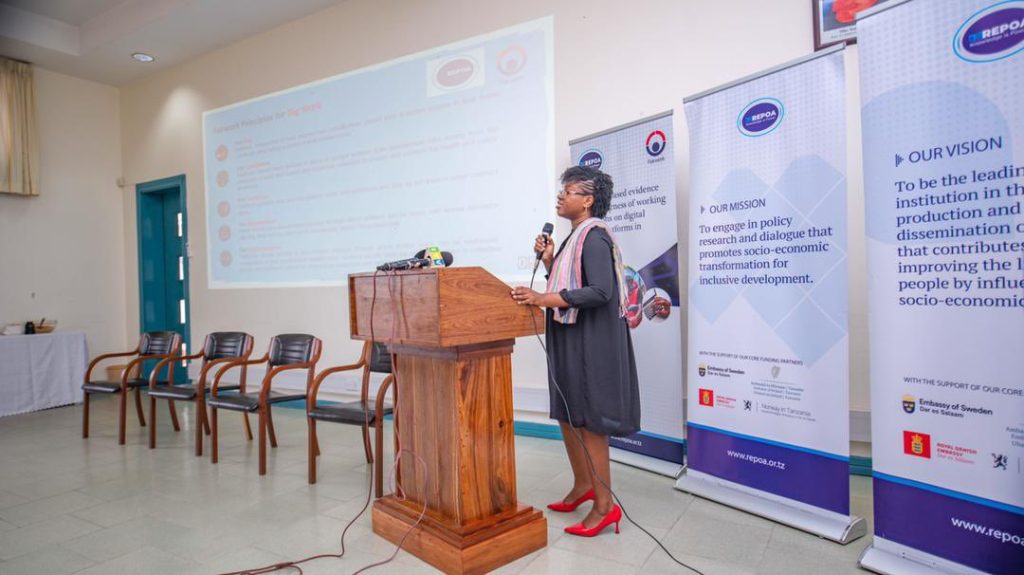
This policy brief portrays social protection as a key element for sustainable social and economic growth in promoting human development, political stability, and inclusive growth. The brief further indicates that Tanzania needs to address the precarious nature of the platform economy (also referred to as gig economy) work environment to attain the Sustainable Development Goals […]
Court Users’ Satisfaction Survey Report 2023
This Court Users’ Satisfaction Survey Report 2023 provides an assessment of the Judiciary’s achievements against the objectives of the Five-Year Strategic Plans, identify challenges of the reforms that the Judiciary has been facing in the course of implementing its Strategic Plans, and inform the course of the reform needed based on citizens’ perceived challenges. The […]
The Impact of the COVID-19 Pandemic on educational Inequalities in Tanzania
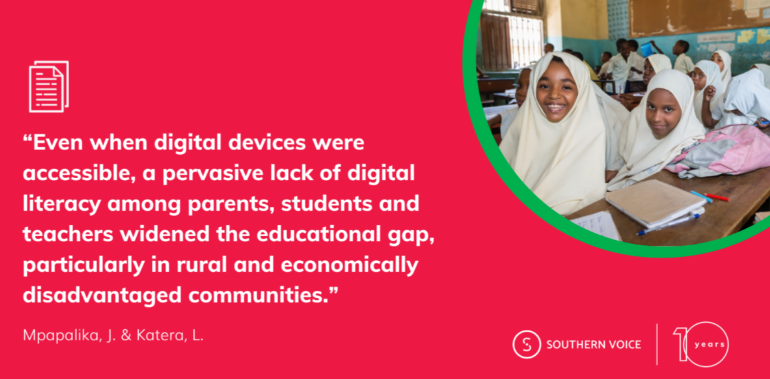
This study examines the impact of COVID-19 on educational inequalities in primary schools in Tanzania, focusing on student enrolment and learning behaviour, teacher engagement, and the application of information and communications technology (ICT), in 26 primary schools. Despite government efforts to provide free education and reduce inequalities, disparities persist, particularly along rural-urban, socio-economic and gender […]
REPOA’s Annual Report 2022
Dear our esteemed stakeholders, we are thrilled to present to you our annual report for 2022. The year 2022 marked the third year of implementation of our fifth strategic plan 2020-2024, seeking to inform and promote development policy agenda for further and accelerated socio-economic transformation and inclusive development. To access/ read the full Annual Report, […]
The EAC at 18 and beyond: Tanzanians yearn for improved cross-border movement of people
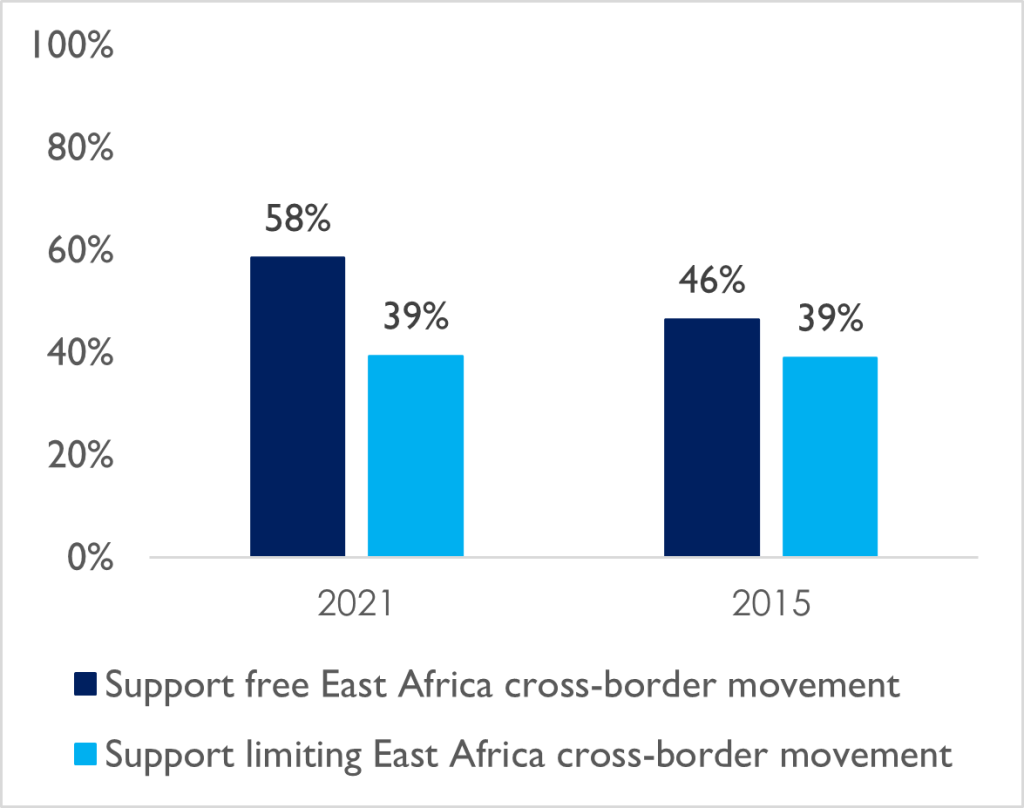
This policy brief presents the summary of the findings from the Round 8 of the Afrobarometer survey conducted in Tanzania in March-April 2021 concerning citizens’ perceptions on the free movement of people within East African borders. An increasing number of Tanzanians in both urban and rural areas support free movement of people for trade and […]
Tanzanians have mixed views on free cross-border trade but support government autonomy in handling its internal affairs
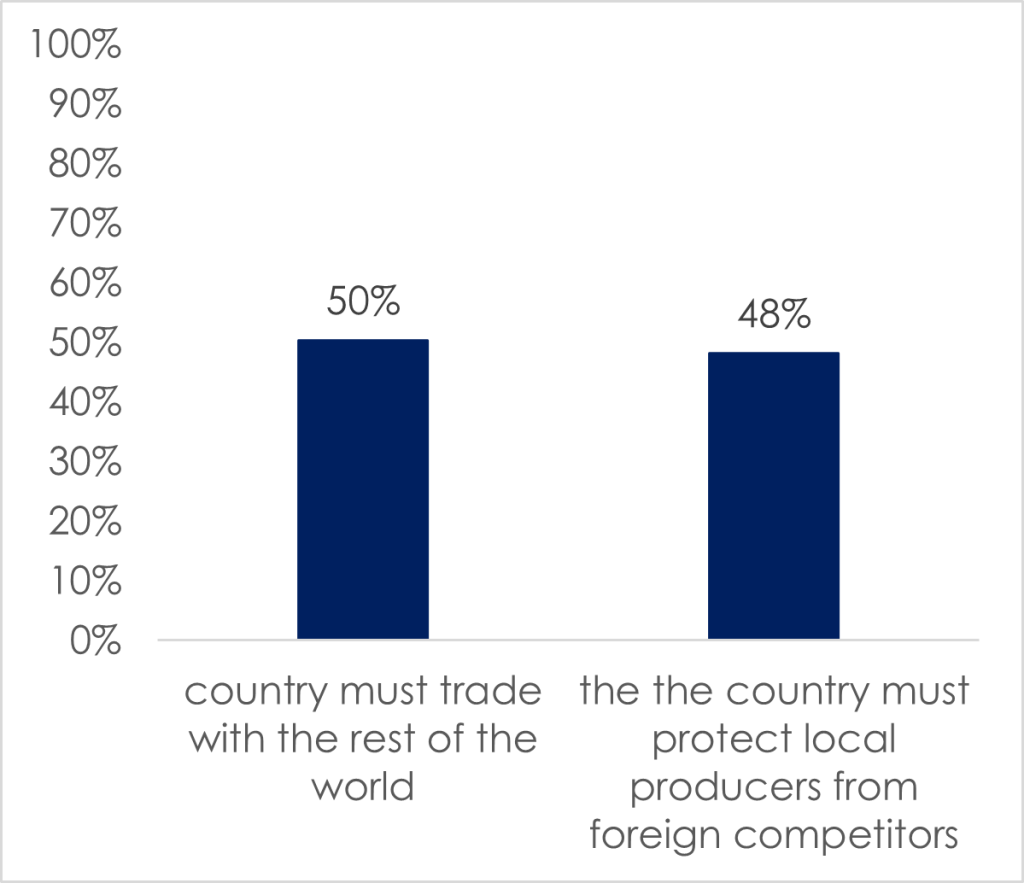
On this Policy Brief, the findings as picked from the Afrobarometer Survey Round 8 conducted in March and April 2021 show that Tanzanians are divided on supporting free trade. They, however, value the need of having controlled foreign traders in the country. Read the full details into this brief as linked further below. REPOA is […]
Workshop Report: 26th Annual Research Workshop – 2022 “Adapting trade to climate change for competitive green growth”
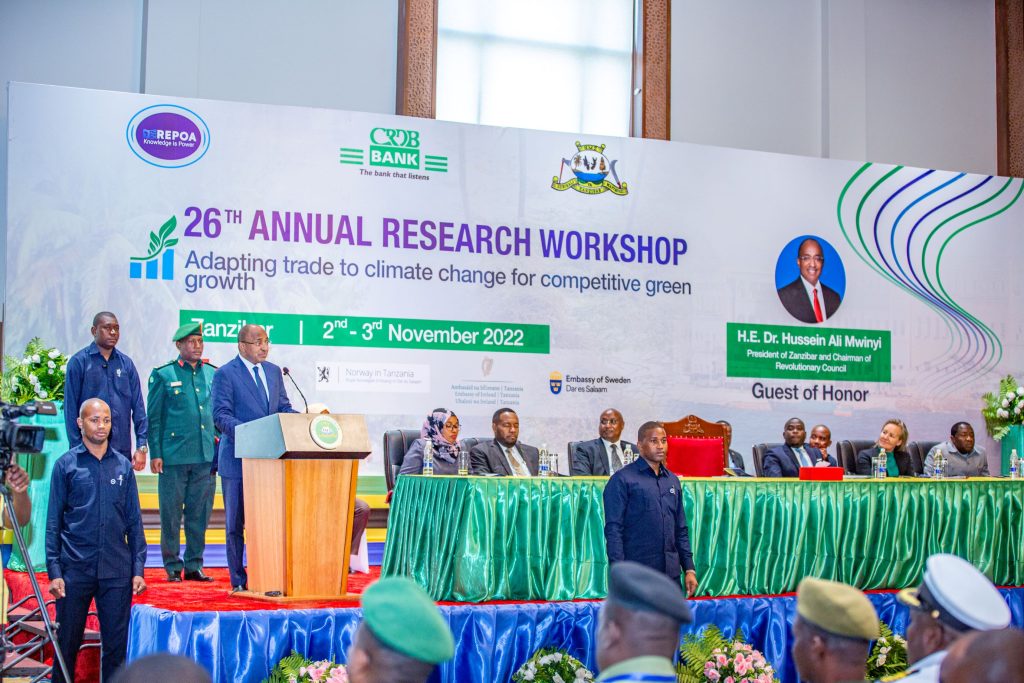
REPOA’s Annual Research Workshop continues to be the longest running and largest research workshop held in Tanzania by a Tanzanian organization, where researchers, research users, and development stakeholders meet to discuss research findings, their associated implications for development policy in Tanzania and propose areas of further strategic research. The 26th instalment of the workshop provided […]
Institutional arrangements for trade in agriculture value chains in Tanzania
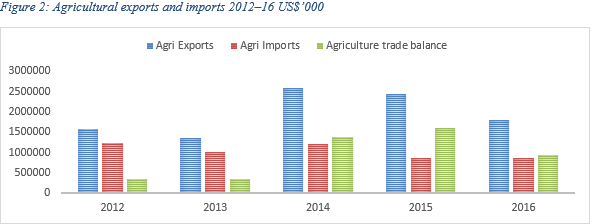
The report identifies and proposes responses to the bottlenecks to improving competitiveness and diversification in selected agricultural export-oriented sectors along Tanzania’s main export corridors. The report is structured as follows. Chapter 1 provides and introduction and background to the project – and the methodology used in undertaking the study. Chapter 2 provides a detailed account […]
Implications of the EU-EAC Economic Partnership Agreement (EPA) on EAC and Tanzanian Economies
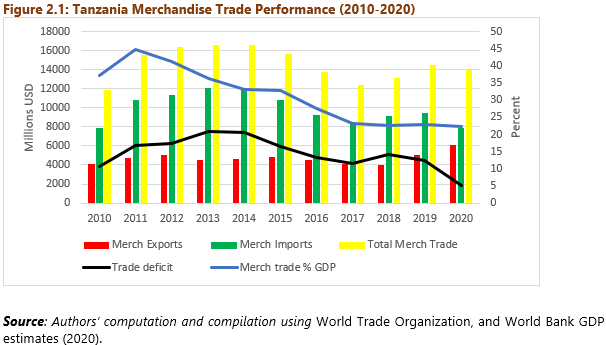
This study seeks to highlight the implications of entering an EPA with the EU for the EAC in general and URT in particular to provide a strong basis for negotiation of the EPA. Thus, the overall objective of the study is to provide a comprehensive assessment of the costs and benefits to Tanzania of implementing […]