Potential Impact of Renewable Energy Technologies as an Enabler of Economic Growth in Tanzania
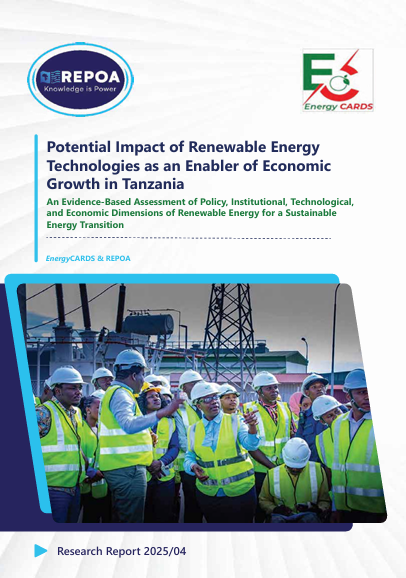
This report provides a comprehensive analysis of Tanzania’s renewable energy landscape, drawing on global benchmarking, stakeholder engagement, field assessments, and rigorous data analysis. It captures both institutional and grassroots realities of RET implementation, offering insights into the opportunities, challenges, and transformative potential of renewable energy across sectors and regions. This work reflects the contributions of […]
Commodity Prices and City Markets in Tanzania: The Case of Maize Markets
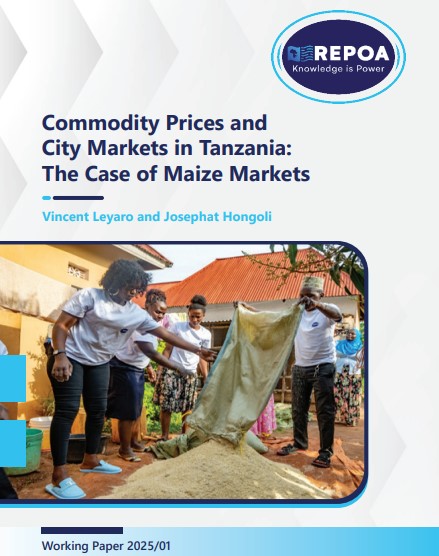
Using community-level and field survey data complemented with regional and district monthly commodity prices data across the country, this study takes the first step towards understanding rent extraction in the crop market in Tanzania. The market margins analysis from farmgate to regional wholesale to city retail markets showed that the regional market margins account for […]
Tax policies and informality in Tanzania
This study examines the relationship between tax policies and informality in Tanzania. Specifically, it analyses how changes in tax policies affect the behaviour of individuals in the labour market and how these changes impact the level of inequality and poverty in Tanzania. Tanzania’s informal economy, accounting for over 60% of employment and nearly 40% of […]
Buffering Deprivation and Vulnerability among Informal Workers in the Tourism Sector in Kilimanjaro and Arusha
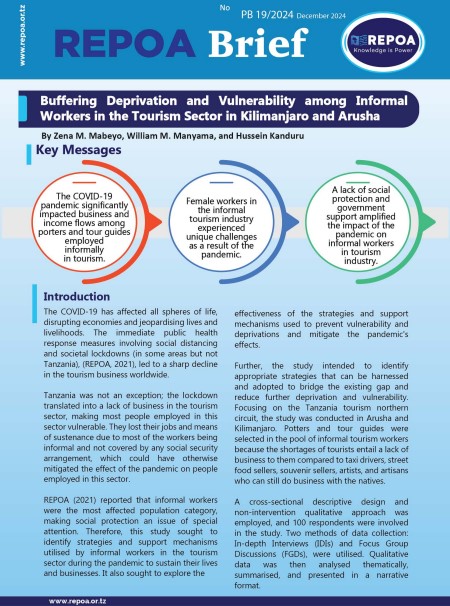
This study sought to identify strategies and support mechanisms utilised by informal workers in the tourism sector during the pandemic to sustain their lives and businesses. READ ON…!
Aflatoxin Awareness and Food Security among Smallholder Farmers in Tanzania
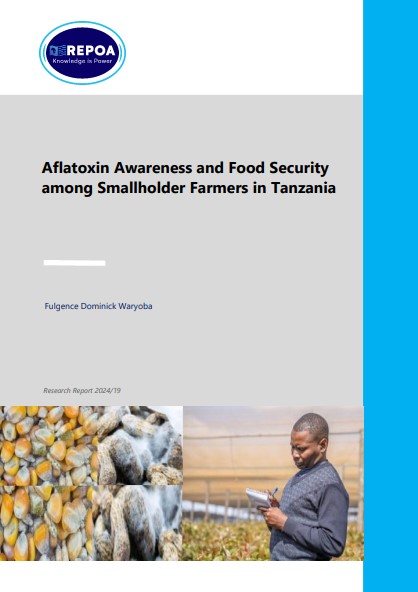
The findings show that aflatoxin awareness has a positive and significant influence on crop quality, hence food security. As was the opinion from many farmers, the Ministry of Agriculture, in collaboration with other development stakeholders, should give high priority to aflatoxin awareness campaigns. READ ON…!
Considerations of Climate Change Mitigation and Adaptation in National Development Plans in Tanzania
This study intended to understand the extent of climate change considerations in national development plans in Tanzania. The specific objectives were to examine the extent of policy coherence across priority sectors, national development plans and national climate change adaptation goals. READ ON…!
The health effects of Aflatoxin and their impact on food security among smallholder farmers in Tanzania
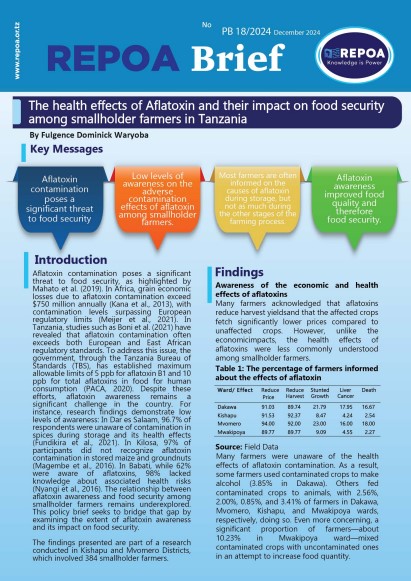
This policy brief seeks to bridge that gap by examining the extent of aflatoxin awareness and its impact on food security. READ ON…!
Leveraging the Digital Ecosystem for Improved Competitiveness and Productivity: Evidence from Manufacturing Entreprises in Tanzania
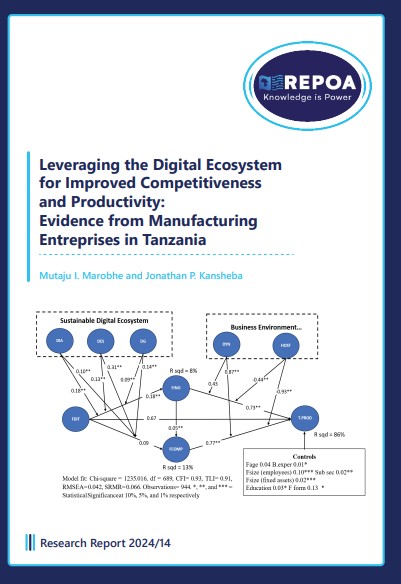
The primary findings for this study indicate that there is no statistically significant relationship between productivity and digitalization. However, the findings suggested that the relationship between productivity and digitalization was mediated by innovation and competitiveness. The results also show that the benefits of digitalization for innovation and competitiveness are amplified by a sustainable digital ecosystem. […]
From land expansion to efficiency: Tanzania’s hope for sustainable rice production
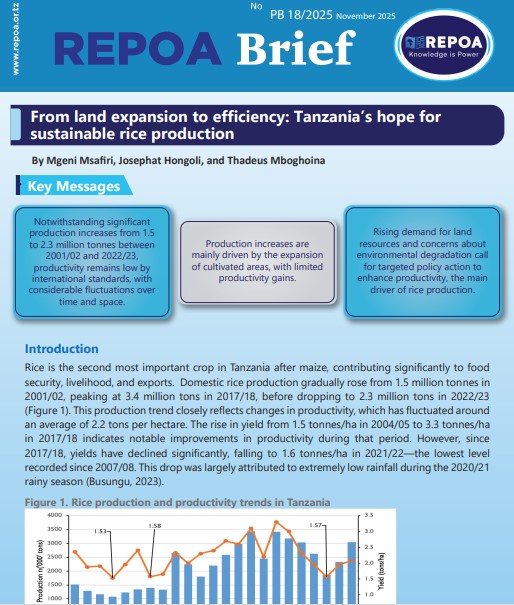
Over the years, Tanzania has witnessed significant expansion in domestic rice production, making it the second most important food crop in the country. This Policy Brief proposes a number of policy measures to improve rice yields in Tanzania – to catch up with the global and regional production averages. READ ON…!
Barriers to accessing quality daycare services for Most Vulnerable Children in Low-Income areas of Dar es Salaam
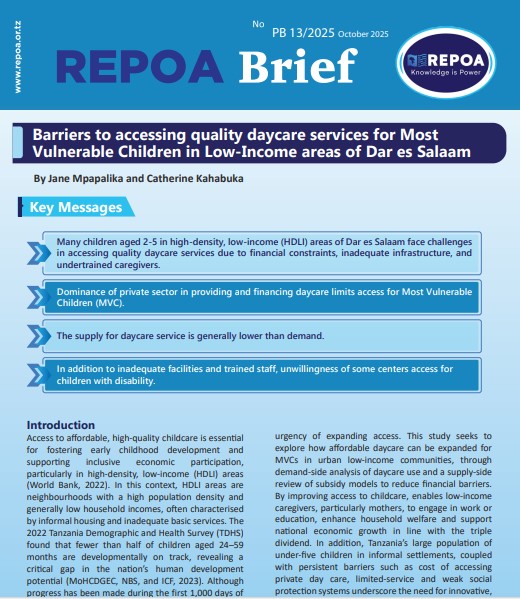
This Policy Brief presents barriers to accessing quality daycare services for Most Vulnerable Children (MVCs) in high-density, low-income (HDLI) areas of Dar es Salaam. It highlights both demand- and supply-side constraints in HDLI contexts and offers policy recommendations to improve access, affordability, and the quality of childcare services for MVCs in Tanzania. READ ON…!
Cleaner cooking solutions: Optimizing biomass briquettes to replace charcoal and mitigate climate change in Tanzania
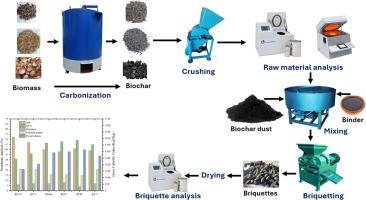
In Tanzania, overreliance on charcoal and firewood for domestic energy has intensified deforestation and environmental degradation, creating an urgent need for sustainable biomass-based fuels. This study investigates the optimization of biomass briquettes produced from locally available agricultural residues (coconut shell, palm kernel shell, rice husk) and forest wastes as sustainable alternatives to charcoal. Click on […]
Despite strong public support for gender equality, Tanzanian women still face barriers
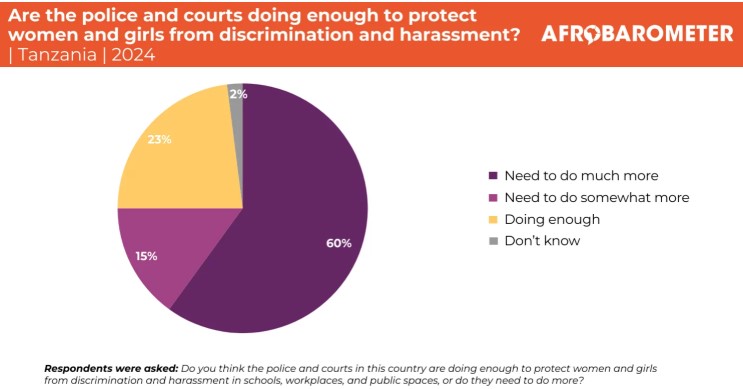
This dispatch provides analysis on the Round 10 of the Afrobarometer Survey capturing citizens’ voices – and in this context depicting that most citizens in Tanzania say police and courts should do more to protect women and girls against discrimination and harassment. Click on View PDF to read more…!
Deepening Tanzania’s Service Sector Integration into Global Value Chains
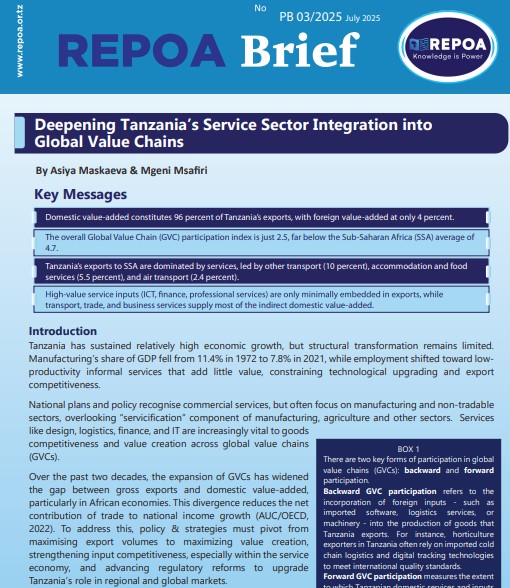
Tanzania’s national plans and policy recognise commercial services, but often focus on manufacturing and non-tradable sectors, overlooking “servicification” component of manufacturing, agriculture and other sectors. Services like design, logistics, finance, and IT are increasingly vital to goods competitiveness and value creation across global value chains (GVCs). This Policy Brief highlights more on that, READ ON…!
Zanzibar Court Users’ Satisfaction Survey 2025
This survey was conducted by REPOA, an independent research institution, to establish a baseline for measuring satisfaction with court services across the country. This baseline data serves as a critical reference point for future impact assessments, helping to track progress over time and highlighting areas requiring further enhancement. The findings from this survey will provide […]
Increasing the Number of Elected Women Representatives in Tanzania’s Parliament: Challenges and Strategies
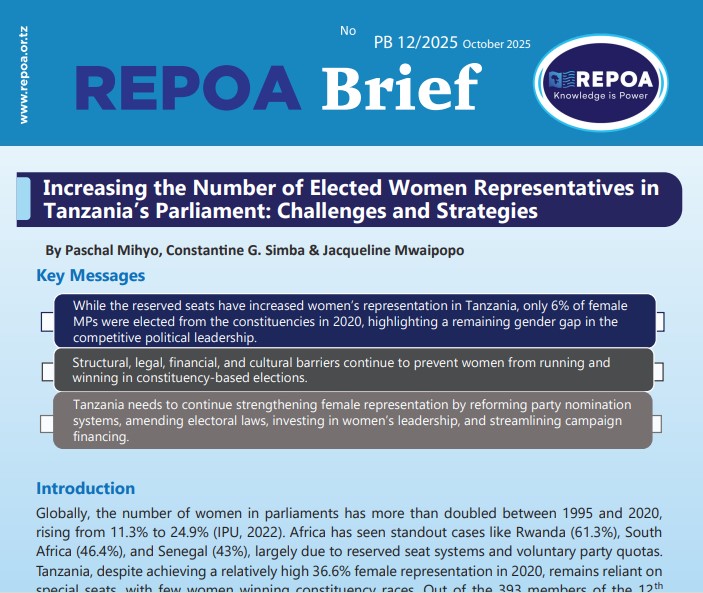
This brief draws on data from the National Electoral Commission, parliamentary records (1985–2020), media reports, and selected secondary studies on women in politics in Tanzania and other African countries, and data compiled from selected local government authority websites (2025) for the number of councillors. This research was conducted in early 2025, immediately after the local […]
Enhancing Private Sector Participation in Tanzania’s Renewable Energy Sector
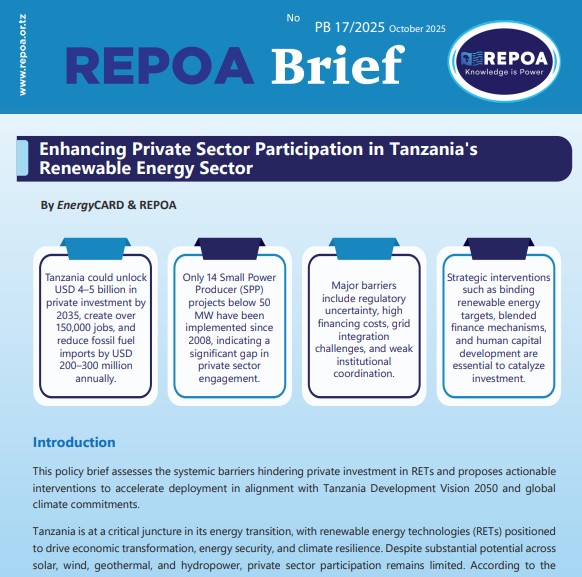
This Policy Brief assesses the systemic barriers hindering private investment in Renewable Energy Technologies (RETs) and proposes actionable interventions to accelerate deployment in alignment with Tanzania Development Vision 2050 and global climate commitments. READ ON…!